50 Powerful Synonyms for Pain (With Meanings and Examples)
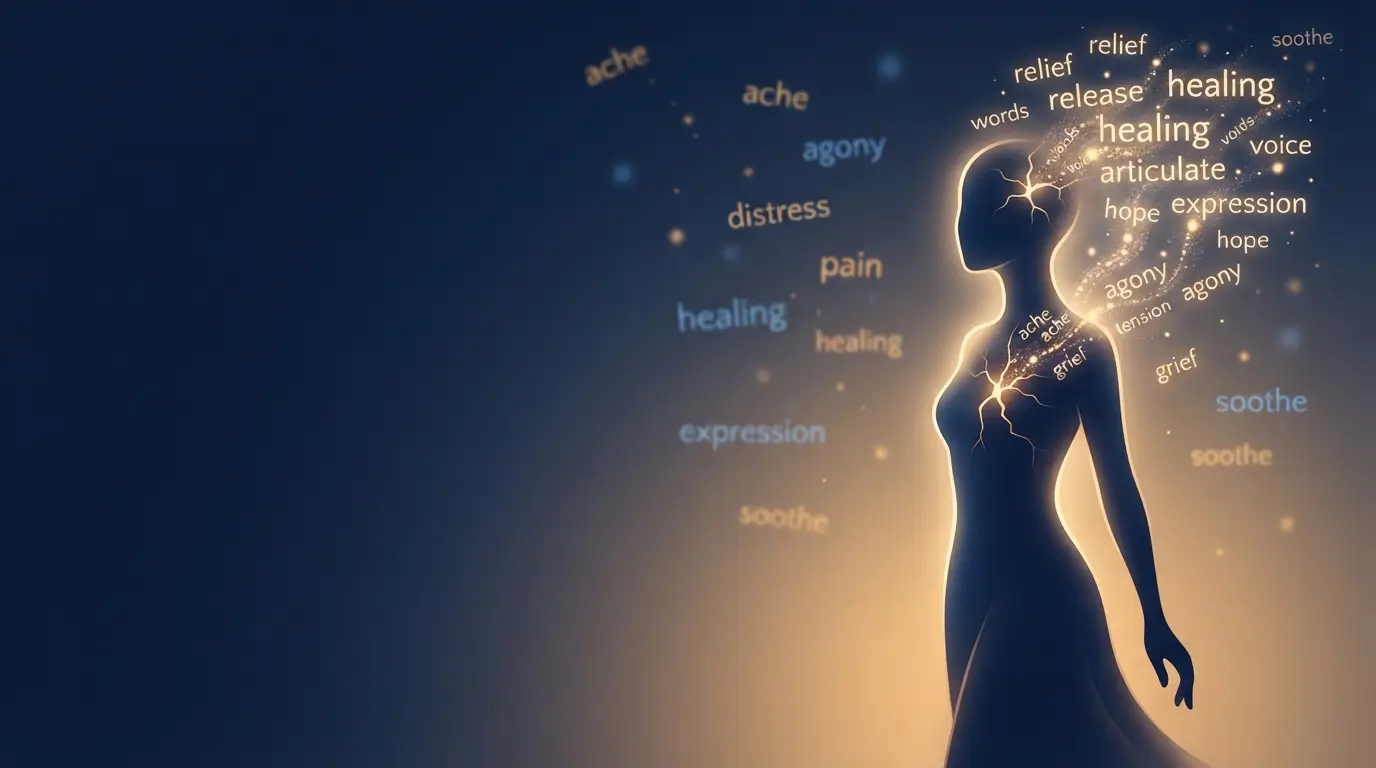
A synonym for pain is any word that describes hurt, ache, or suffering in the body or mind. Common examples include ache, agony, distress, soreness, and anguish.
These words help writers describe physical hurt or emotional pain in a clear, natural, and expressive way without repeating the same word again and again.
Picture this: you sprain your ankle on a morning walk, and the word “pain” just doesn’t feel strong enough. That small moment shows why we need more than one word for pain.
English gives us many rich options, from a light twinge to a deep agony.
A mother might say her back has a dull ache after carrying her toddler all day. This simple picture shows how everyday pain takes many forms and names.
Learning these words matters in real life. For students, new vocabulary makes essays sound sharper. For bloggers, fresh words keep articles interesting.
Content writers, synonyms boost SEO and reader flow. For daily English users, better word choice makes normal talk feel more natural.
“Pain is inevitable. Suffering is optional.” Haruki Murakami
Words shape how we share our hurt with the world. The right word can turn a vague feeling into a clear, honest picture that others truly understand.
“The word is half his that speaks, and half his that hears it.” Michel de Montaigne
50 Synonyms for Pain
This pain words list includes everyday, physical, emotional, and more expressive terms for describing pain. Some words, such as ache and soreness, describe common physical feelings, while others, such as anguish and heartbreak, are more closely connected with emotional suffering.
1. Ache
- Meaning: A dull, steady pain that stays for some time in the body.
- Examples: My legs ache after the long hike today. Her heart ached when she heard the sad news.
2. Agony
- Meaning: A very severe and sharp pain that feels almost impossible to bear.
- Examples: He screamed in agony after twisting his knee badly. The wait for results felt like pure agony.
3. Anguish
- Meaning: Deep emotional pain caused by sadness, fear, or heavy worry inside.
- Examples: She felt anguish when her dog went missing. His face showed anguish during the tense meeting.
4. Discomfort
- Meaning: A mild, uneasy feeling that is not sharp but still bothers you.
- Examples: The tight shoes caused mild discomfort all day. He shifted his seat to ease the discomfort.
5. Distress
- Meaning: A state of pain or worry caused by a hard or upsetting situation.
- Examples: The storm caused great distress among the villagers. She called her friend during a moment of distress.
6. Hurt
- Meaning: A general word for pain felt in the body or the heart.
- Examples: His words really hurt her feelings yesterday. My shoulder still hurts from the fall.
7. Soreness
- Meaning: A tender, aching feeling often felt in muscles after hard effort.
- Examples: Soreness in his arms lasted for two days. She rubbed cream on the soreness in her feet.
8. Suffering
- Meaning: Ongoing pain or hardship that continues over a longer period of time.
- Examples: The patient’s suffering finally eased after treatment. War brings suffering to many innocent families.
9. Torment
- Meaning: Severe pain or distress that feels like constant, cruel punishment inside.
- Examples: The itching became a real torment overnight. Guilt caused him quiet torment for years.
10. Torture
- Meaning: Extremely intense pain, often caused deliberately or felt as unbearable suffering.
- Examples: Sitting through the boring lecture felt like torture. The migraine felt like slow, steady torture.
11. Throb
- Meaning: A pain that beats or pulses steadily, like a strong heartbeat.
- Examples: His finger throbbed after getting caught in the door. A dull throb spread through her temple.
12. Twinge
- Meaning: A sudden, short, and sharp burst of pain that fades quickly.
- Examples: She felt a twinge in her back bending down. A twinge of guilt crossed his mind.
13. Pang
- Meaning: A sudden and sharp pain, often felt in the chest or stomach area.
- Examples: A pang of hunger hit him at noon. She felt a pang of sadness suddenly.
14. Sting
- Meaning: A sharp, quick pain, often caused by a small cut or bite.
- Examples: The bee sting left a red mark quickly. His harsh comment left a sting behind.
15. Cramp
- Meaning: A sudden tight pain caused by a muscle pulling too hard.
- Examples: A leg cramp woke him up at night. She got a stomach cramp after running fast.
16. Spasm
- Meaning: A quick, tight muscle movement that often causes sharp, sudden pain.
- Examples: His back went into a painful spasm suddenly. A muscle spasm stopped her mid workout.
17. Irritation
- Meaning: A light, uncomfortable feeling caused by rubbing, itching, or constant small annoyance.
- Examples: The wool sweater caused skin irritation all day. Dust in the air caused eye irritation.
18. Tenderness
- Meaning: A soft, sensitive pain felt when an area is gently touched.
- Examples: There was tenderness around the small bruise. The nurse checked for tenderness near the wound.
19. Malaise
- Meaning: A general feeling of discomfort or illness without one clear, single cause.
- Examples: A strange malaise kept him in bed. Malaise spread through the tired, overworked office.
20. Affliction
- Meaning: A condition or problem that causes long term pain, suffering, or difficulty.
- Examples: Arthritis is a common affliction among older adults. His back affliction limited his daily movement.
21. Misery
- Meaning: A strong, unhappy feeling of pain, sadness, or general life difficulty.
- Examples: The flu brought him complete misery for days. Loneliness added to her growing misery.
22. Woe
- Meaning: Deep sadness or trouble, often described in serious or dramatic tones.
- Examples: Tales of woe filled the old novel. He shared his woe with close friends.
23. Grief
- Meaning: Deep sorrow, usually felt strongly after losing someone or something important.
- Examples: Grief overwhelmed her after her grandfather passed. He wrote poems to process his grief.
24. Sorrow
- Meaning: A feeling of deep sadness caused by loss, disappointment, or hard news.
- Examples: Sorrow filled the quiet, empty house. She hid her sorrow behind a smile.
25. Heartache
- Meaning: Emotional pain, often caused by love, loss, or a broken relationship.
- Examples: The breakup caused months of heartache. His letters were full of heartache.
26. Smart
- Meaning: A stinging pain that burns briefly, often on skin or pride.
- Examples: The cut on his hand began to smart. Her sharp remark made him smart inside.
27. Burn
- Meaning: A hot, stinging pain caused by heat, friction, or strong irritation.
- Examples: The spicy food made his tongue burn. Sunburn left a painful burn on her shoulders.
28. Stab
- Meaning: A sudden, sharp, and deep pain that strikes quickly and briefly.
- Examples: He felt a stab of pain in his side. A stab of jealousy hit her suddenly.
29. Stitch
- Meaning: A sharp pain felt in the side, often during fast running.
- Examples: A stitch forced him to slow his run. She paused to ease the sharp stitch.
30. Throe
- Meaning: A strong pang or spasm, often felt during a hard struggle.
- Examples: She was in the throes of labor. He worked through the throes of doubt.
31. Wound
- Meaning: A hurtful injury or pain, either on the body or in emotions.
- Examples: The old wound still ached in winter. Her words left a deep wound behind.
32. Injury
- Meaning: Physical harm or damage that usually causes pain in the body.
- Examples: He suffered a minor injury during the match. The injury kept her off the field.
33. Trauma
- Meaning: Serious pain or shock caused by a harmful or frightening event.
- Examples: The accident left lasting trauma in his mind. Therapy helped her heal from trauma.
34. Rawness
- Meaning: A sore, exposed feeling often found on irritated skin or emotions.
- Examples: The blister left rawness on his heel. Grief brought rawness to her voice.
35. Chafing
- Meaning: A sore, rubbing pain caused by constant friction against the skin.
- Examples: Long runs caused chafing near his thighs. The tight collar caused chafing all afternoon.
36. Prickling
- Meaning: A light, sharp, tingling pain, similar to small, repeated pinpricks.
- Examples: Her leg felt prickling after sitting for a long time. A prickling pain ran down his arm.
37. Bruise
- Meaning: A sore, discolored mark caused by a hit or hard fall.
- Examples: The fall left a bruise on his knee. She pressed gently on the bruise.
38. Sensitivity
- Meaning: A state where a body part feels pain easily from light touch.
- Examples: His tooth showed sensitivity to cold drinks. The scar had sensitivity for months.
39. Sharpness
- Meaning: A quick, intense pain that feels sudden, strong, and easy to notice.
- Examples: A sharpness shot through her lower back. He felt sharpness in his chest briefly.
40. Nag
- Meaning: A pain that continues quietly and repeatedly without fully going away.
- Examples: A nagging pain stayed in his shoulder. Her old injury began to nag again.
41. Hardship
- Meaning: Difficulty or suffering caused by tough circumstances or challenging life events.
- Examples: The family faced great hardship after the flood. He spoke calmly about past hardship.
42. Excruciation
- Meaning: Extremely intense pain that feels almost too strong to fully bear.
- Examples: The broken bone caused sudden excruciation. She described the toothache as pure excruciation.
43. Heartbreak
- Meaning: Very severe emotional pain, usually caused by loss or deep disappointment.
- Examples: The news brought total heartbreak to fans. His heartbreak lasted for many months.
44. Ordeal
- Meaning: A long, painful, and difficult experience that tests a person’s strength.
- Examples: Surgery was a painful ordeal for him. The trial felt like a long ordeal.
45. Discomfiture
- Meaning: A feeling of pain mixed with embarrassment or awkward, uneasy confusion.
- Examples: His discomfiture grew during the tough interview. She hid her discomfiture with a smile.
46. Unease
- Meaning: A light, uncomfortable feeling of worry, pain, or nervous tension.
- Examples: A quiet unease filled the waiting room. He felt unease before the exam.
47. Queasiness
- Meaning: A sick, uneasy feeling in the stomach, often linked to nausea or pain.
- Examples: The rough sea caused sudden queasiness. Nerves gave her mild queasiness before speaking.
48. Tightness
- Meaning: A squeezing pain, often felt in the chest, muscles, or joints.
- Examples: He felt tightness in his chest suddenly. Stress caused tightness across her shoulders.
49. Ailment
- Meaning: A minor illness or health problem that causes ongoing pain or trouble.
- Examples: A common cold is a mild ailment. He listed his ailments to the doctor.
50. Malady
- Meaning: A serious or long lasting illness that brings pain or general discomfort.
- Examples: The rare malady puzzled several doctors for weeks. She battled her malady with quiet strength.
“Out of suffering have emerged the strongest souls.” Khalil Gibran
Synonyms for Pain and Suffering
When people describe pain and suffering together, words like anguish, misery, torment, and agony work well. These carry more emotional weight than simple physical terms.
Writers use them in stories or personal essays to show deep hardship.
Using synonyms for pain and suffering helps readers feel the full weight of an experience.
Synonyms for Physical Pain
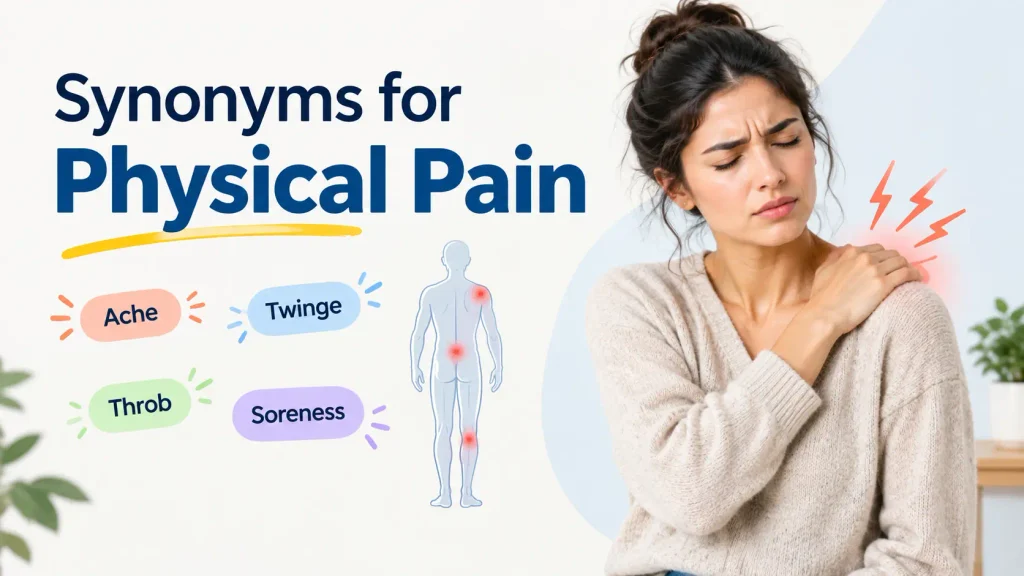
Common synonyms for physical pain include ache, soreness, discomfort, throbbing, tenderness, cramp, sting, and agony. The best word depends on how the pain feels and how strong it is.
For example, ache usually describes a dull or steady pain, while sting suggests a quick, sharp feeling. Soreness often describes tenderness after exercise or an injury, while agony describes very severe pain.
Synonyms for Emotional Pain

Common synonyms for emotional pain include anguish, heartache, heartbreak, grief, sorrow, misery, distress, and torment. These words describe hurt caused by sadness, loss, disappointment, fear, or difficult experiences.
Heartache is often connected with love or relationships, while grief is strongly associated with loss. Anguish and torment can describe deeper emotional suffering that feels intense or difficult to escape.
Poetic Words for Pain

Poetic words for pain include anguish, sorrow, heartache, woe, torment, ache, pang, and throe. These words can make descriptions of pain sound more emotional, dramatic, or literary.
Heartache works well for emotional pain caused by love or loss. Sorrow suggests deep sadness, while anguish conveys intense emotional suffering. Woe has an older, dramatic tone, and torment suggests pain that continues over time.
For poetry and creative writing, the best word depends on the feeling you want to create. A soft ache can suggest quiet sadness, while agony or torment creates a much stronger emotional effect.
Synonyms for Pain Points
In business writing, pain points describe customer problems or frustrations. Common alternatives include challenges, struggles, obstacles, and friction areas.
Marketers use these synonyms for pain points to sound more professional in reports and pitches. “Obstacle” feels neutral, while “frustration” feels more personal for the reader.
Synonyms for Pain Relief
Pain relief can also be called comfort, ease, soothing, or alleviation. These synonyms for pain relief are common in health blogs and wellness content.
Using varied words keeps writing about self care from sounding repetitive. “Alleviation” feels formal, while “ease” and “comfort” feel warmer for everyday readers.
Another word for pain relief is relief, alleviation, comfort, ease, soothing, or pain reduction. In everyday English, relief and ease sound natural, while alleviation is more formal.
Pain Antonyms and Synonyms
Synonyms for pain include ache, hurt, agony, anguish, discomfort, soreness, suffering, and distress. Each word has a slightly different meaning and level of intensity.
Common antonyms for pain include comfort, relief, ease, pleasure, and well-being. The right opposite depends on the context. For example, relief means freedom or reduction from pain, while comfort describes a pleasant or less painful state.
Synonyms for Pain in the Neck
The idiom pain in the neck means someone or something annoying. Similar phrases include nuisance, headache, bother, and irritant.
These synonyms for pain in the neck work well in casual writing or dialogue with a light tone. They add personality to informal English while keeping the meaning clear.
Synonyms for Pain Management
Pain management refers to methods used to control or reduce pain over time. Alternatives include pain control, symptom control, and relief strategies.
Healthcare writers use these synonyms for pain management to avoid repeating the same phrase. This variety keeps medical content professional and easier to read.
Frequently Asked Questions
What is a deeper word for pain?
A deeper word for pain is anguish or agony. Both words describe pain that goes beyond a simple ache. Anguish often points to emotional suffering, while agony suggests intense physical or mental pain.
These words carry more weight than “hurt” or “ache,” making them useful in serious, emotional, or dramatic writing where stronger feeling matters.
What is another word for deep pain?
Another word for deep pain is anguish, agony, torment, heartache, or suffering. The best choice depends on whether the pain is physical or emotional.
Agony suggests extremely intense pain, while anguish often describes deep emotional suffering. Heartache is commonly used for emotional pain caused by love, loss, or disappointment. Torment suggests pain that feels severe or continues for a long time.
What’s a fancy word for pain?
A fancy or more formal word for pain is affliction or excruciation. These words sound more sophisticated than everyday terms like “hurt.”
Affliction works well for long term conditions, while excruciation describes extremely intense pain.
Writers use these words in essays, medical writing, or literature to sound more polished and precise.
What’s another word for extreme pain?
Another word for extreme pain is agony, torture, or excruciation. These words describe pain so strong it feels almost unbearable.
They are stronger than “discomfort” or “ache” and work best in dramatic or urgent situations, such as describing an injury, illness, or intense emotional crisis that needs powerful, clear language.
What is another word for body pain?
Other words for body pain include ache, soreness, and discomfort. These terms describe physical pain felt in muscles, joints, or general areas of the body.
Ache suggests a dull, steady feeling, while soreness often follows exercise or injury. Choosing the right word depends on how strong or specific the physical pain feels.
What are some words that describe pain?
Words that describe pain include ache, throb, sting, twinge, cramp, soreness, tenderness, agony, anguish, and torment. Each word gives a different idea of the pain’s intensity, duration, or emotional effect.
For example, throb describes a pulsing pain, twinge describes a brief sharp feeling, and soreness usually describes a tender or aching feeling.
What is the opposite of pain?
Common opposites of pain include comfort, relief, ease, pleasure, and well-being. The best opposite depends on the context. Relief means a reduction or removal of pain, while comfort suggests a state of physical or emotional ease.
Conclusion
Learning synonyms for pain does more than expand your vocabulary. It sharpens your writing, strengthens your blogging, and improves how clearly you speak in daily life.
Instead of repeating the same word, you can now choose from fifty rich options that match the exact feeling you want to share.
Try using these words in your next email, essay, or conversation. Notice how “agony” feels stronger than “hurt,” or how “malaise” sounds more thoughtful than “discomfort.”
Small word choices like these make a big difference in how readers and listeners connect with what you write and say.
“Words are, of course, the most powerful drug used by persons.” Rudyard Kipling
Keep practicing daily, and these words will soon feel natural in your writing. Over time, your vocabulary will grow richer, your content will feel more professional, and your communication will become clearer and more expressive in every situation you face.
“Language is the road map of a culture.” Rita Mae Brown

Sarah is a freelance content writer and grammar enthusiast with over 6 years of experience helping students and bloggers write with more clarity. She joined SynonymKit to make vocabulary-building simple and accessible for everyone, one word list at a time.