60 Synonyms for “Negative” (With Meanings and Easy Examples)
A synonym for negative is a word that means something bad, unfavorable, or unwanted. Words like unfavorable, harmful, pessimistic, and gloomy all work as synonyms for negative. They describe things, feelings, or attitudes that are not good or not helpful.
Picture this: your boss reads your report and says, “This has a very negative tone.” You nod, but inside you wonder what does that even mean? Is it too harsh? Too sad? Too doubtful? That one small word carries a lot of weight, and using it again and again can make your writing feel flat and repetitive.
For students, learning synonyms for negative helps essays sound smarter and more precise. The bloggers, fresh words keep readers interested instead of bored. For content writers, variety improves SEO and readability scores.
For everyday English speakers, having more words means expressing feelings more clearly, if it’s a bad mood, a harmful habit, or an unfair situation.
“Words are, in my humble opinion, our most inexhaustible source of magic.”
That’s true even for small words like “negative.” Once you learn its many synonyms, you’ll notice them everywhere in the news, in emails, and in daily conversation.
“The limits of my language mean the limits of my world.”
Let’s expand that world together with 60 useful synonyms for negative.
The Power of Choosing the Right Word
Here’s a simple example. Saying “the weather report sounds negative” is fine, but saying “the weather report sounds grim” paints a clearer picture. Small word swaps like this make your writing feel more alive and less robotic.
Once you build a habit of choosing precise words, your writing naturally becomes more engaging for readers and search engines alike.
“Half the work of one’s life is trying to find words for what has already been said in one’s head.”
Below is a full list of 60 synonyms for negative, each explained simply with two short examples.
1. Pessimistic
- Meaning: Someone who expects bad things to happen most of the time.
- Examples: He stayed pessimistic about the exam results. Her pessimistic comments annoyed the whole team.
2. Unfavorable
- Meaning: Not good for someone or something in a situation.
- Examples: The review gave unfavorable feedback about the film. Weather turned unfavorable for the picnic plans.
3. Adverse
- Meaning: Harmful or unlucky, often used for effects or events.
- Examples: The medicine caused an adverse reaction quickly. Adverse conditions delayed the flight for hours.
4. Harmful
- Meaning: Something that can hurt or damage a person.
- Examples: Too much sugar is harmful for kids. The harmful chemical spilled near the river.
5. Damaging
- Meaning: Causing harm or destruction to something valuable.
- Examples: The storm was damaging to local farms. His damaging remarks hurt her confidence badly.
6. Detrimental
- Meaning: Causing harm, often over a longer period of time.
- Examples: Smoking is detrimental to long term health. Late nights are detrimental to school performance.
7. Unfortunate
- Meaning: Unlucky or causing sadness because of bad luck.
- Examples: It was an unfortunate accident on the highway. She had an unfortunate start to Monday.
8. Dismal
- Meaning: Very sad, gloomy, or disappointing in quality.
- Examples: The team had a dismal season this year. His dismal mood ruined the dinner party.
9. Gloomy
- Meaning: Dark, sad, or lacking hope about the future.
- Examples: The sky looked gloomy before the storm. He felt gloomy after losing the game.
10. Disadvantageous
- Meaning: Putting someone in a worse position than others.
- Examples: The deal was disadvantageous for the small business. Starting late put her in a disadvantageous spot.
11. Unpromising
- Meaning: Not likely to succeed or turn out well.
- Examples: The interview started on an unpromising note. Sales figures looked unpromising for the quarter.
12. Hostile
- Meaning: Unfriendly, angry, or ready to argue with someone.
- Examples: The crowd grew hostile after the announcement. He gave a hostile reply during the meeting.
13. Cynical
- Meaning: Believing people always act selfishly, not kindly.
- Examples: She sounded cynical about the new policy. His cynical jokes made everyone uncomfortable.
14. Discouraging
- Meaning: Making someone feel less hopeful or motivated.
- Examples: The low score felt discouraging after so much effort. Discouraging news spread quickly through the office.
15. Hurtful
- Meaning: Words or actions that cause emotional pain.
- Examples: His hurtful comment stayed with her for days. The hurtful rumor spread across the school.
16. Injurious
- Meaning: Likely to cause injury or serious harm.
- Examples: The injurious habit slowly damaged his knees. Injurious working conditions led to the strike.
17. Deleterious
- Meaning: Harmful, often in a hidden or gradual way.
- Examples: Pollution has a deleterious effect on lungs. The deleterious policy hurt small farmers badly.
18. Counterproductive
- Meaning: Working against the goal you actually want.
- Examples: Skipping sleep before exams is counterproductive. Yelling at students is often counterproductive.
19. Destructive
- Meaning: Causing serious damage to people or things.
- Examples: The fire was destructive to the entire block. His destructive habits worried his close friends.
20. Unhealthy
- Meaning: Bad for the body, mind, or general wellbeing.
- Examples: Fast food every day is unhealthy for you. Their unhealthy rivalry damaged the friendship slowly.
21. Toxic
- Meaning: Poisonous, or emotionally harmful in relationships.
- Examples: The toxic friendship left her feeling drained. Toxic waste leaked into the local stream.
22. Poor
- Meaning: Low in quality, skill, or overall result.
- Examples: The poor decision cost the company money. His poor attitude affected the entire team.
23. Dire
- Meaning: Extremely serious, urgent, or alarming in nature.
- Examples: The situation became dire after the flood. Doctors gave a dire warning about her health.
24. Grim
- Meaning: Serious, sad, or offering little hope at all.
- Examples: The forecast looked grim for the harvest. His grim expression showed he had bad news.
25. Bleak
- Meaning: Without hope, comfort, or a promising future ahead.
- Examples: The job market looked bleak that summer. Their future felt bleak after the layoffs.
26. Downbeat
- Meaning: Sad, pessimistic, or lacking energy and hope.
- Examples: The meeting ended on a downbeat note. Her downbeat tone worried her closest friends.
27. Defeatist
- Meaning: Giving up easily and expecting failure right away.
- Examples: His defeatist attitude annoyed the coach greatly. Stop being defeatist before the game starts.
28. Sour
- Meaning: Unpleasant, bitter, or unfriendly in mood or outcome.
- Examples: The deal turned sour within a week. Her sour mood lasted the entire afternoon.
29. Malicious
- Meaning: Intending to hurt or cause trouble on purpose.
- Examples: The malicious rumor damaged his good reputation. She sent a malicious message late at night.
30. Spiteful
- Meaning: Wanting to hurt or annoy someone deliberately.
- Examples: His spiteful comment ruined the celebration completely. She gave a spiteful look across the room.
31. Disparaging
- Meaning: Speaking about someone in an unkind, belittling way.
- Examples: The critic made disparaging remarks about the movie. His disparaging tone upset the young writer.
32. Derogatory
- Meaning: Showing a strong lack of respect toward someone.
- Examples: The email contained a derogatory comment about her. He used derogatory language during the debate.
33. Scornful
- Meaning: Showing that you think someone deserves no respect.
- Examples: She gave a scornful laugh at his idea. His scornful reply embarrassed everyone in the room.
34. Contemptuous
- Meaning: Showing you feel someone or something is worthless.
- Examples: He shot a contemptuous glance at the proposal. Her contemptuous tone shut down the discussion.
35. Disapproving
- Meaning: Showing you dislike or disagree with something strongly.
- Examples: Her disapproving stare said everything without words. He gave a disapproving nod at the plan.
36. Unenthusiastic
- Meaning: Not excited or interested in doing something.
- Examples: The team looked unenthusiastic about the new project. He sounded unenthusiastic about attending the party.
37. Uninspired
- Meaning: Lacking creativity, energy, or fresh new ideas.
- Examples: The uninspired design failed to impress the judges. Her uninspired speech left the crowd quiet.
38. Glum
- Meaning: Looking or feeling sad and low in spirit.
- Examples: He sat glum in the corner alone. Her glum face showed the bad news.
39. Morose
- Meaning: Sullen, unhappy, and unwilling to talk much.
- Examples: He turned morose after hearing the results. Her morose silence worried her close family.
40. Downcast
- Meaning: Sad and disappointed, often after bad news arrives.
- Examples: The downcast players left the field quietly. She felt downcast after missing the opportunity.
41. Despondent
- Meaning: Feeling hopeless and very low after a setback.
- Examples: He grew despondent after losing his job suddenly. She felt despondent about the failed exam.
42. Dejected
- Meaning: Sad and low after disappointment or failure occurs.
- Examples: The dejected fans left the stadium in silence. He looked dejected after the rejection letter.
43. Hopeless
- Meaning: Having no hope that things will improve soon.
- Examples: The situation felt hopeless after the third try. She sounded hopeless about finding new work.
44. Fatalistic
- Meaning: Believing that bad events cannot be avoided or changed.
- Examples: His fatalistic view made planning feel pointless. She stayed fatalistic about the upcoming storm.
45. Nihilistic
- Meaning: Believing that nothing really matters or has value.
- Examples: The film had a strangely nihilistic ending. His nihilistic comments confused his younger sister.
46. Skeptical
- Meaning: Doubting that something is true or will work.
- Examples: She stayed skeptical about the new diet plan. He remained skeptical of the salesman’s promises.
47. Doubtful
- Meaning: Not confident that something will happen or succeed.
- Examples: He sounded doubtful about finishing the project on time. She felt doubtful the plan would work.
48. Distrustful
- Meaning: Not willing to believe or trust someone easily.
- Examples: He grew distrustful after being lied to twice. She stayed distrustful of the online offer.
49. Suspicious
- Meaning: Feeling that something is wrong or dishonest is happening.
- Examples: The guard looked suspicious of the parked car. She felt suspicious about the strange email.
50. Wary
- Meaning: Being careful because you expect possible danger or trouble.
- Examples: He stayed wary of the unfamiliar neighborhood. She felt wary about signing the new contract.
51. Jaundiced
- Meaning: Having a bitter, unfair view because of past experience.
- Examples: His jaundiced opinion of politicians surprised no one. She took a jaundiced view of romance.
52. Misanthropic
- Meaning: Disliking people in general and avoiding their company.
- Examples: His misanthropic attitude kept him from making friends. She grew misanthropic after years of disappointment.
53. Unwelcoming
- Meaning: Not friendly or open toward visitors or newcomers.
- Examples: The office felt unwelcoming on her very first day. Locals seemed unwelcoming toward the new tourists.
54. Unpleasant
- Meaning: Not enjoyable, and often uncomfortable or annoying instead.
- Examples: The smell in the kitchen was quite unpleasant. It was an unpleasant surprise during dinner.
55. Disagreeable
- Meaning: Unpleasant in manner, taste, or overall personal behavior.
- Examples: His disagreeable tone made the meeting uncomfortable fast. She found the task disagreeable but necessary.
56. Unsatisfactory
- Meaning: Not good enough to meet expectations or standards.
- Examples: The teacher marked the essay as unsatisfactory work. His unsatisfactory performance led to a warning.
57. Inadequate
- Meaning: Not enough, or not good enough for the purpose.
- Examples: The funding was inadequate for the whole project. Her training felt inadequate for the new role.
58. Faulty
- Meaning: Having a defect, mistake, or problem inside something.
- Examples: The faulty wiring caused a small fire. His faulty logic weakened the entire argument.
59. Flawed
- Meaning: Having a mistake or weakness that lowers its quality.
- Examples: The flawed plan failed within its first week. Her flawed argument fell apart quickly.
60. Objectionable
- Meaning: Causing disapproval because it feels wrong or offensive.
- Examples: The joke was objectionable to most of the audience. His objectionable behavior got him removed.
Synonyms for Negative Impact
When something causes lasting harm, words like detrimental, damaging, or adverse describe it well. A “negative impact” often shows up in essays about pollution, health, or the economy. Instead of repeating “negative impact,” try “detrimental effect” or “adverse outcome.”
This small change makes academic and business writing sound more precise and confident, especially in reports or research papers.
Synonyms for Negative Attitude
A “negative attitude” can be described as pessimistic, defeatist, or cynical. These words describe someone who expects the worst or dismisses good ideas quickly.
Teachers, coaches, and managers often use these terms to describe behavior that needs to change. Choosing the right word helps explain the exact type of negativity someone is showing, rather than just saying “negative” repeatedly.
Synonyms for Negative Emotions
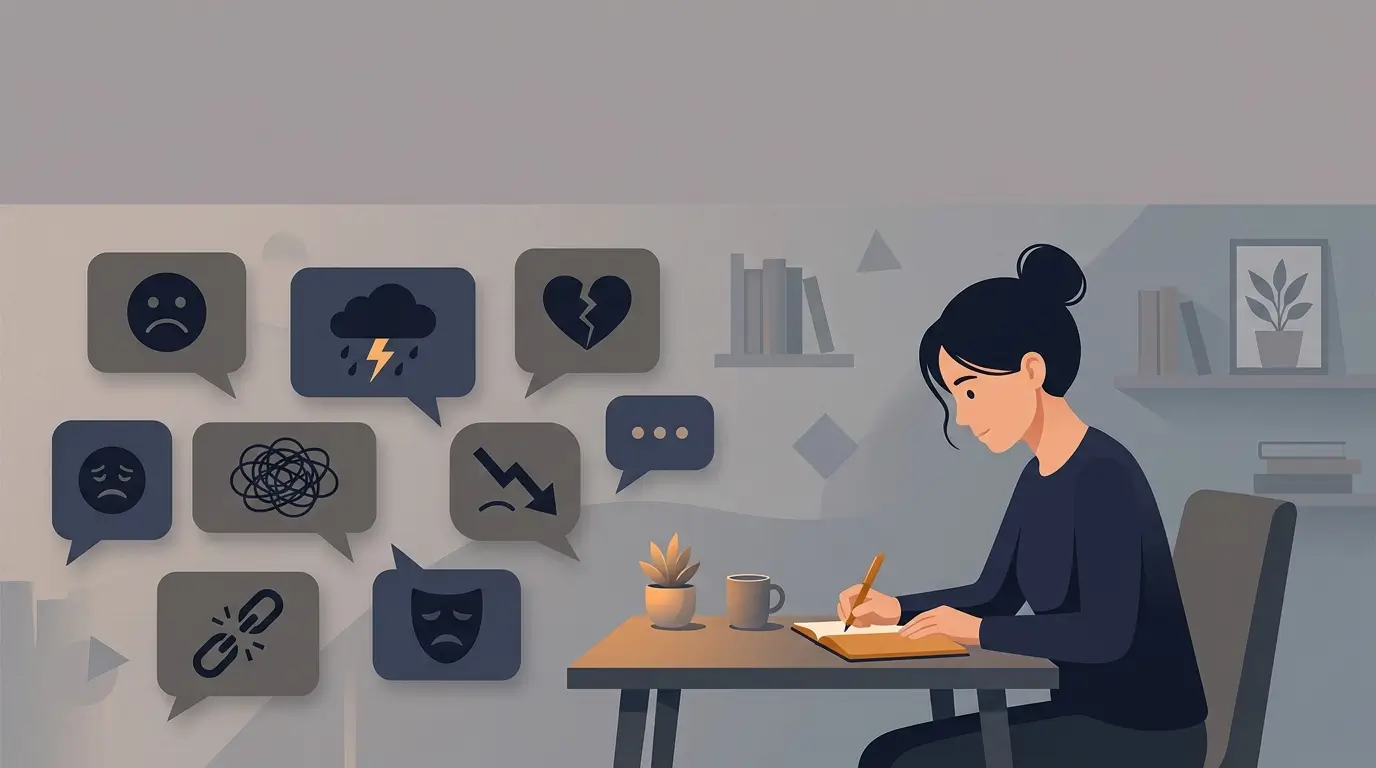
Feelings like sadness, fear, or anger fall under “negative emotions.” Words such as despondent, glum, or morose describe these feelings more specifically. Writers use these synonyms in stories, journals, and therapy related content to capture emotional depth. Instead of saying someone “felt negative,” you might say they felt downcast or dejected, which paints a clearer emotional picture for readers.
Synonyms for Negative Feedback
At work or school, “negative feedback” might be called critical, unfavorable, or disapproving comments. These words soften or sharpen the tone depending on context. HR professionals and teachers often choose gentler synonyms like “constructive criticism” to keep feedback respectful. Knowing these alternatives helps you phrase reviews and evaluations in a more professional and thoughtful way.
Synonyms for Negative Person
Someone often described as a “negative person” might instead be called pessimistic, cynical, or defeatist. These words describe a pattern of thinking, not just a single bad mood. Writers use them in character descriptions, self help articles, and workplace discussions.
Choosing a specific synonym helps explain if the person doubts others, expects failure, or simply avoids joy and optimism.
Frequently Asked Questions
What can I say instead of negative?
You can use words like unfavorable, harmful, adverse, or pessimistic instead of “negative,” depending on context. For feelings, try downcast or despondent. The effects or outcomes, try detrimental or damaging. For attitudes, cynical or defeatist works well.
The best choice depends on if you’re describing a person, an emotion, or an event’s overall outcome.
What is a synonym for negative effects?
Common synonyms for negative effects include adverse effects, detrimental effects, damaging consequences, and harmful outcomes. These phrases are often used in health, environmental, and academic writing to describe unwanted results.
For example, “the adverse effects of the medication” sounds more formal and specific than simply saying “the negative effects.”
How to say negative in a professional way?
In professional settings, try words like unfavorable, suboptimal, concerning, or below expectations. These sound measured rather than harsh. Instead of “your work is negative,” you might say “there are areas that need improvement” or “the results were unfavorable.” This keeps feedback respectful while still being honest and clear about the issue at hand.
What’s a better word for negativity?
Better words for negativity include pessimism, cynicism, gloom, and negativity’s close cousin, defeatism. Each word highlights a slightly different flavo pessimism focuses on expecting bad outcomes, while cynicism focuses on distrust of others.
Choosing the right one depends on if you’re describing a mood, a mindset, or a general outlook on life.
Conclusion
Learning synonyms for common words like “negative” does more than expand your vocabulary it sharpens the way you think and communicate. Better word choices make your essays clearer, your blog posts more engaging, and your everyday conversations more precise.
When you can tell the difference between feeling glum and feeling despondent, or between a harmful habit and a toxic one, your writing gains depth and honesty.
Try using a few of these new words in your next email, essay, or social media post. Small changes add up quickly, and readers notice when writing feels fresh instead of repetitive. The more synonyms you practice, the more naturally they will appear in your speaking and writing.
“To learn a language is to have one more window from which to look at the world.”
Keep exploring new words, keep writing often, and keep swapping out tired phrases for fresher ones.
“Language is the road map of a culture. It tells you where its people come from and where they are going.”
Every word you learn today becomes a tool you can use tomorrow so keep building your collection, one synonym at a time.

James is a former English teacher turned content strategist who’s passionate about making language learning less intimidating. At SynonymKit, he focuses on curating word lists that are practical for everyday writing, essays, and professional communication.