50 Synonyms for Marginalized: Meanings and Examples
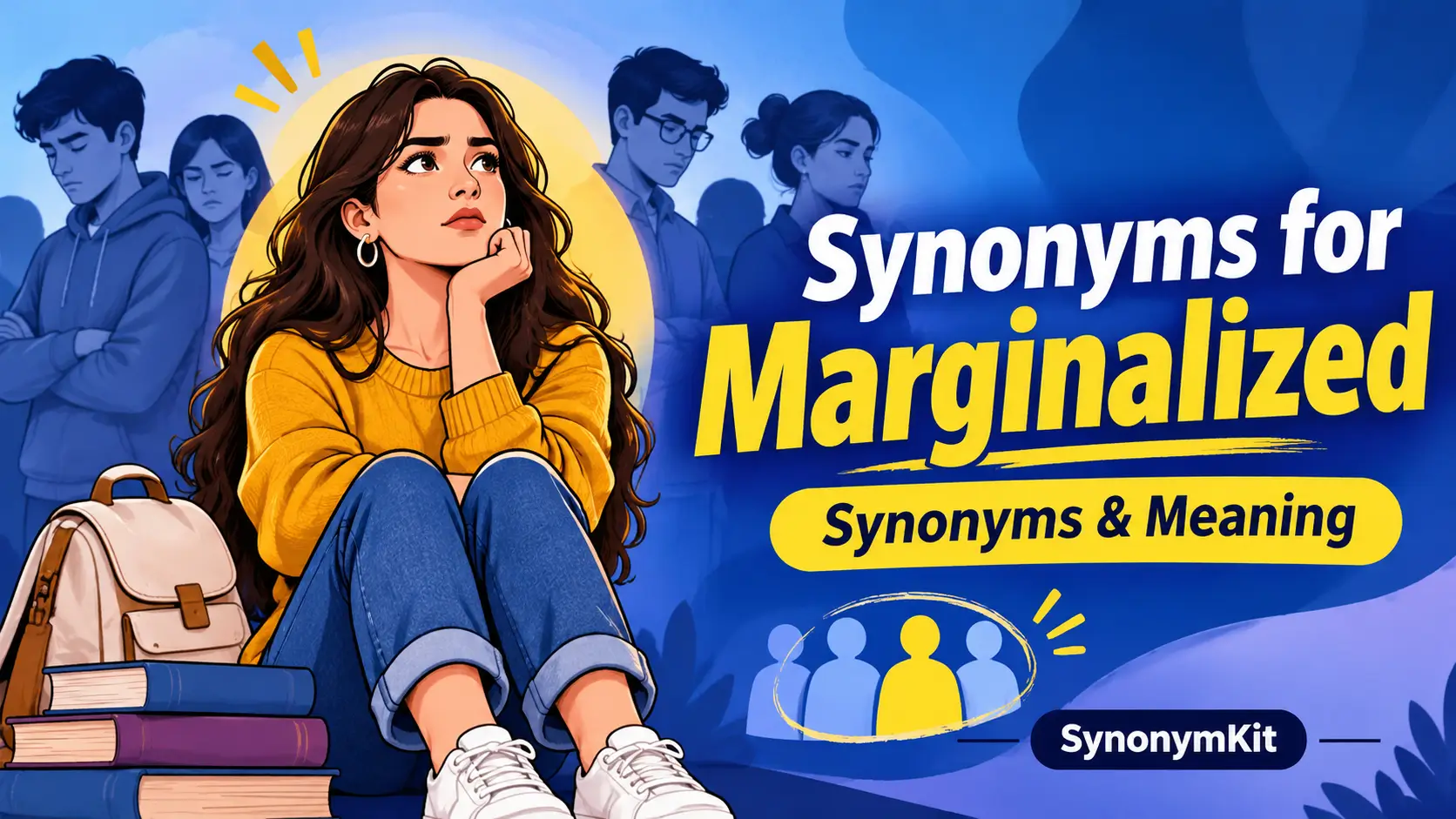
Synonyms for marginalized include excluded, overlooked, disadvantaged, underrepresented, neglected, and underserved. These words describe people or groups who face unfair treatment or have fewer chances in society. The best word depends on the situation, such as education, work, social rights, or equal opportunities.
Imagine a student who has great ideas but never gets a chance to speak in class. Other students share their thoughts, but nobody listens to this student. Over time, the student may feel left out and unseen. Similar things happen in workplaces, schools, and communities.
For example, a small village may lack good schools because leaders do not give it enough attention. The people living there may struggle to get the same chances as others.
Learning different words for this topic helps us explain these situations with care and respect. Students can use these words in essays and school projects. Bloggers can make their content more useful. Content writers can explain social issues clearly. Daily English users can speak with more confidence.
“Every voice deserves a chance to be heard.”
Choosing the right word also helps readers understand the problem without using unfair or hurtful language.
“Fairness begins when everyone gets a place at the table.”
Let’s explore useful alternatives and learn how to use them in everyday English.
These words describe people who experience exclusion, unfair treatment, limited access, or a lack of social support. Some are direct alternatives, while others work best in specific situations.
1. Excluded
- Meaning: People are kept away from groups, activities, or important chances.
- Examples: She felt excluded from the team. They excluded him from the meeting.
2. Overlooked
- Meaning: People are not noticed or given the attention they deserve.
- Examples: Her hard work was often overlooked. Many talented students feel overlooked at school.
3. Disadvantaged
- Meaning: People have fewer chances or resources than others around them.
- Examples: Disadvantaged children need better schools. The program helps disadvantaged families find support.
4. Underrepresented
- Meaning: A group has fewer members than expected in important places.
- Examples: Women remain underrepresented in some fields. The school supports underrepresented student groups.
5. Neglected
- Meaning: People do not receive the care, help, or attention they need.
- Examples: Neglected communities need more public services. The children felt neglected by local leaders.
6. Underserved
- Meaning: People receive fewer services than they need or deserve.
- Examples: Underserved areas need better hospitals. The project supports underserved rural families.
7. Isolated
- Meaning: People have little contact with others or feel separated from society.
- Examples: Older residents sometimes feel isolated. The village remains isolated from nearby towns.
8. Alienated
- Meaning: People feel separated from others and unable to belong.
- Examples: New workers felt alienated at first. His unfair treatment left him alienated.
9. Disenfranchised
- Meaning: People lose rights, power, or a fair chance to participate.
- Examples: Disenfranchised voters need equal rights. The law protects disenfranchised citizens.
10. Underprivileged
- Meaning: People lack money, resources, or chances that others enjoy.
- Examples: Underprivileged children need learning support. The charity helps underprivileged families.
11. Marginal
- Meaning: People or groups have little power or influence in society.
- Examples: Their concerns stayed on the margins. Marginal groups need stronger public support.
12. Oppressed
- Meaning: People face unfair control, abuse, or treatment from others.
- Examples: Oppressed people deserve freedom and respect. The movement speaks for oppressed communities.
13. Discriminated Against
- Meaning: People receive unfair treatment because of who they are.
- Examples: She was discriminated against at work. Everyone deserves respect without being discriminated against.
14. Powerless
- Meaning: People have little control over choices that affect their lives.
- Examples: Residents felt powerless against unfair rules. The group helped powerless workers speak.
15. Forgotten
- Meaning: People receive little attention and are left out of important plans.
- Examples: Forgotten villages need better roads. The campaign supports forgotten communities.
16. Unheard
- Meaning: People cannot share their views or get others to listen.
- Examples: Many workers feel unheard by managers. The meeting gave unheard voices space.
17. Unseen
- Meaning: People are not noticed or recognized by the wider community.
- Examples: Their struggles often remain unseen. The project makes unseen problems visible.
18. Vulnerable
- Meaning: People face greater risks and need extra care or protection.
- Examples: Vulnerable families need safe housing. The charity protects vulnerable children.
19. Impoverished
- Meaning: People have very little money and struggle to meet basic needs.
- Examples: Impoverished families need food support. The program serves impoverished rural communities.
20. Deprived
- Meaning: People lack basic things, rights, or chances needed for life.
- Examples: Deprived children need better care. The town has deprived neighborhoods.
21. Underfunded
- Meaning: Groups or services receive less money than they need.
- Examples: Underfunded schools lack basic supplies. The clinic serves an underfunded area.
22. Unrepresented
- Meaning: People have no fair voice in groups or public decisions.
- Examples: Unrepresented workers asked for change. The council heard from unrepresented residents.
23. Disconnected
- Meaning: People have weak links with services, groups, or society.
- Examples: Rural families feel disconnected from services. The project reconnects disconnected communities.
24. Sidelined
- Meaning: People are pushed aside and given fewer chances to take part.
- Examples: Junior staff felt sidelined during meetings. The coach never sidelined young players.
25. Ignored
- Meaning: People receive no attention even when they need help.
- Examples: Their complaints were ignored for years. The group refused to ignore local families.
26. Subordinated
- Meaning: People are placed below others and given less power or respect.
- Examples: Subordinated groups face unfair rules. The law challenged subordinated social classes.
27. Stigmatized
- Meaning: People receive unfair labels because others judge them negatively.
- Examples: Stigmatized groups need public support. The campaign challenges stigmatized social beliefs.
28. Suppressed
- Meaning: People are stopped from expressing their views or using their rights.
- Examples: Their voices were suppressed for years. The law protects suppressed communities.
29. Marginal
- Meaning: Groups have a small place in society and little public influence.
- Examples: Marginal groups rarely shape public policy. Their needs remain outside major plans.
30. Disempowered
- Meaning: People lose the power to make choices about their lives.
- Examples: Disempowered workers need stronger rights. The program supports disempowered local families.
31. Undervalued
- Meaning: People receive less respect or praise than their efforts deserve.
- Examples: Their work was often undervalued. Undervalued employees deserve fair treatment.
32. Unrecognized
- Meaning: People do not receive credit for their work or contributions.
- Examples: Their efforts remained unrecognized for years. Unrecognized artists need more support.
33. Excluded Socially
- Meaning: People are left out of social groups and shared activities.
- Examples: He felt excluded socially at school. The club helps excluded social groups connect.
34. Displaced
- Meaning: People are forced to leave their homes or communities.
- Examples: Displaced families need safe places. The charity supports displaced village residents.
35. Unprotected
- Meaning: People lack safety, support, or protection from unfair treatment.
- Examples: Unprotected workers face serious risks. Children should never remain unprotected.
36. Unfavored
- Meaning: People receive less support or approval than other groups.
- Examples: Unfavored groups need equal chances. The policy supports unfavored rural communities.
37. Underrecognized
- Meaning: People receive too little attention for their value or achievements.
- Examples: Underrecognized workers deserve public praise. The award honors underrecognized community leaders.
38. Devalued
- Meaning: People are treated as less important or worthy than others.
- Examples: Their culture should never be devalued. Devalued workers deserve equal respect.
39. Disregarded
- Meaning: People or their needs are treated as unimportant by others.
- Examples: Their concerns were disregarded by officials. The group supports disregarded local voices.
40. Underrepresented in Society
- Meaning: Certain groups have too little presence in public life.
- Examples: Their culture is underrepresented in media. The program helps underrepresented groups participate.
41. Socially Excluded
- Meaning: People cannot take part fully in normal social life.
- Examples: Socially excluded families need support. The project helps socially excluded young people.
42. Marginalized Economically
- Meaning: People have limited access to jobs, income, and financial resources.
- Examples: Marginalized workers need fair wages. The project supports marginalized rural businesses.
43. Discriminated
- Meaning: People face unfair actions because of their background or identity.
- Examples: Discriminated groups deserve equal treatment. The policy protects discriminated workers.
44. Disregarded Socially
- Meaning: People receive little respect or attention in their communities.
- Examples: Their needs were disregarded socially. The campaign supports disregarded local families.
45. Left Behind
- Meaning: People do not receive the progress or chances others enjoy.
- Examples: Rural students should not be left behind. The program helps families left behind.
46. Under Served
- Meaning: People do not get enough public help or important services.
- Examples: Under served areas need clean water. The clinic visits under served neighborhoods.
47. Unprivileged
- Meaning: People do not enjoy the benefits and chances others have.
- Examples: Unprivileged children need school supplies. The group supports underprivileged young people.
48. Socially Disadvantaged
- Meaning: People face social barriers that limit their choices and opportunities.
- Examples: Socially disadvantaged students need support. The program helps socially disadvantaged families.
49. Economically Disadvantaged
- Meaning: People have limited income and fewer financial opportunities than others.
- Examples: Economically disadvantaged students need scholarships. The charity supports economically disadvantaged households.
50. Underprivileged Communities
- Meaning: Communities lack resources, services, and opportunities available to others.
- Examples: Underprivileged communities need better healthcare. Local groups support underprivileged communities through education.
Synonyms for Marginalized Groups
Synonyms for marginalized groups include excluded groups, disadvantaged groups, underrepresented groups, and vulnerable populations. These terms describe people who face barriers in society. Use them when discussing social equality, education, or public services. For example, a report may explain how underrepresented groups need better access to jobs and education.
Synonyms for Marginalized Communities
Useful alternatives for marginalized communities include underserved communities, disadvantaged communities, neglected communities, and excluded communities. These phrases work well in articles about social change and community support.
Choose underserved when discussing limited services, while disadvantaged is better when describing a lack of resources or opportunities.
Marginalized People Synonyms
Other ways to describe marginalized people include excluded individuals, disadvantaged people, overlooked individuals, and underrepresented people. These expressions help writers discuss people who face unfair barriers.
Use respectful language when writing about individuals. The right term should explain their situation without reducing their identity to their struggles.
Synonyms for Marginalized Voices
Alternatives for marginalized voices include unheard voices, overlooked perspectives, underrepresented opinions, and excluded viewpoints. These phrases are useful when discussing public discussions, news, education, and social rights.
For example, a writer can explain why unheard voices deserve attention during community meetings and important decisions.
Synonyms of the Word Marginalized
Some common synonyms of the word marginalized are excluded, overlooked, neglected, disadvantaged, and sidelined. Each word has a slightly different meaning. Excluded focuses on being left out, while overlooked describes a lack of attention.
Disadvantaged highlights fewer opportunities, making it useful for social and economic topics.
Frequently Asked Questions
1. What is another word for marginalizing?
Another word for marginalizing is excluding, sidelining, isolating, or pushing aside. These words describe actions that make someone feel less important or keep them away from a group.
For example, a manager who never allows certain workers to share ideas may be sidelining them. The best choice depends on the situation. Exclusion is simple and direct, while isolation often describes separation from other people.
2. What can I say instead of marginalization?
You can say social exclusion, discrimination, isolation, unfair treatment, or social disadvantage instead of marginalization. Each phrase describes a different part of the problem. Social exclusion focuses on keeping people outside a group.
Discrimination means treating people unfairly. Social disadvantage highlights barriers that limit opportunities.
In formal writing, choose the phrase that explains the issue most clearly rather than replacing the original word without checking its meaning.
3. What is a synonym for “marginalized person”?
A synonym for a marginalized person is an excluded individual, disadvantaged person, overlooked individual, or underrepresented person. These expressions describe someone who may face unfair barriers or have fewer chances than others.
In professional writing, disadvantaged individual can be useful when discussing limited resources.
Overlooked individual works better when someone receives little attention. Always choose a respectful term that fits the person’s actual situation.
4. What is a synonym for marginally?
Synonyms for marginally include slightly, somewhat, a little, minimally, and barely. The word marginally usually means something happens to a small degree or by a small amount. It does not have the same meaning as marginalized.
For example, a student may perform slightly better after studying. In this sentence, slightly is a natural replacement. Use these words when discussing small changes, differences, or amounts.
Conclusion
Learning synonyms for marginalized helps you explain social issues with greater care and clarity. Words such as excluded, disadvantaged, overlooked, underrepresented, and underserved can make your writing more meaningful. However, each word has its own meaning, so choosing the right one is important.
Students can use these alternatives in essays, assignments, and classroom discussions. Bloggers can create helpful articles about equality, education, and community support. Content writers can explain difficult topics in simple English.
Daily English users can also use these words in conversations, emails, and messages.
Start by learning three or four new words at a time. Write short sentences with each word and notice how people use them in different situations. Try using them in your next essay or email. This small habit can improve your vocabulary and make your writing sound more natural.
Remember, language can help people understand shdazr’s struggles. A thoughtful word can make an important message clearer and stronger.
“Respect begins when we make room for every person.”
Keep learning, keep practicing, and choose words that give every person the respect they deserve.
“A fair society listens to people who are often left unheard.”
James is a former English teacher turned content strategist who’s passionate about making language learning less intimidating. At SynonymKit, he focuses on curating word lists that are practical for everyday writing, essays, and professional communication.